https://sputnikglobe.com/20220928/big-bada-boom-italian-satellite-releases-first-images-on-nasas-dart-spacecraft-hitting-asteroid-1101295117.html
Big Bada Boom! Italian Satellite Releases First Images on NASA's DART Spacecraft Hitting Asteroid
Big Bada Boom! Italian Satellite Releases First Images on NASA's DART Spacecraft Hitting Asteroid
Sputnik International
The Double Asteroid Redirection Test (DART) project, which was a significant turning point in NASA's planetary defense program, was the first time humans had... 28.09.2022, Sputnik International
2022-09-28T04:17+0000
2022-09-28T04:17+0000
2023-06-20T17:11+0000
science & tech
nasa
nasa probe
meteor
meteoroid
explosion
space explosion
asteroids
photo
space
https://cdn1.img.sputnikglobe.com/img/07e6/09/1c/1101294748_0:228:1041:814_1920x0_80_0_0_0c88b0c84fd39c84fb69514f44ced65d.png
The first pictures of the immediate aftermath of NASA's first-ever experiment on Monday, which involved crashing a spaceship into an asteroid, were made public by the Italian space agency on Tuesday. The images were taken by the agency's LICIACube micro-satellite, which had two cameras and was launched by DART a few days before impact. Just a few minutes after the collision, the little satellite flew by asteroid Dimorphos, which was the target of the impact, to gather the pictures. The photos show what looks to be a crater and large ejecta streaks, which are surface debris on Dimorphos.Despite the rarity of asteroid collisions, a large space rock's impact could cause significant local or regional devastation. The intention of the impact was to alter the orbit of the moonlet asteroid Dimorphos around the larger space rock Didymos. Neither poses a threat to our planet anytime in the future. About 11 million kilometers separate the Earth from this pair of asteroids. Before the collision, experts predicted that the DART crash would blast between 9,979 and 99,790 kilograms of ejecta into space and carve a crater on the asteroid.More photographs of the collision's aftermath may be published since the Hubble Space Telescope, James Webb Space Telescope, and other ground telescopes were aimed at the system to observe the impact.To precisely assess how much the impact changed Dimorphos' orbit around Didymos, weeks of observation of the asteroid pair will be necessary, according to NASA.
https://sputnikglobe.com/20220920/space-oddity-hear-first-ever-sound-of-meteoroid-hitting-mars-surface-recorded-by-nasas-insight-1100988727.html
Sputnik International
feedback@sputniknews.com
+74956456601
MIA „Rossiya Segodnya“
2022
News
en_EN
Sputnik International
feedback@sputniknews.com
+74956456601
MIA „Rossiya Segodnya“
Sputnik International
feedback@sputniknews.com
+74956456601
MIA „Rossiya Segodnya“
science & tech, nasa, nasa probe, meteor, meteoroid, explosion, space explosion, asteroids, photo, space, space exploration
science & tech, nasa, nasa probe, meteor, meteoroid, explosion, space explosion, asteroids, photo, space, space exploration
Big Bada Boom! Italian Satellite Releases First Images on NASA's DART Spacecraft Hitting Asteroid
04:17 GMT 28.09.2022 (Updated: 17:11 GMT 20.06.2023) Kirill Kurevlev
Managing Editor
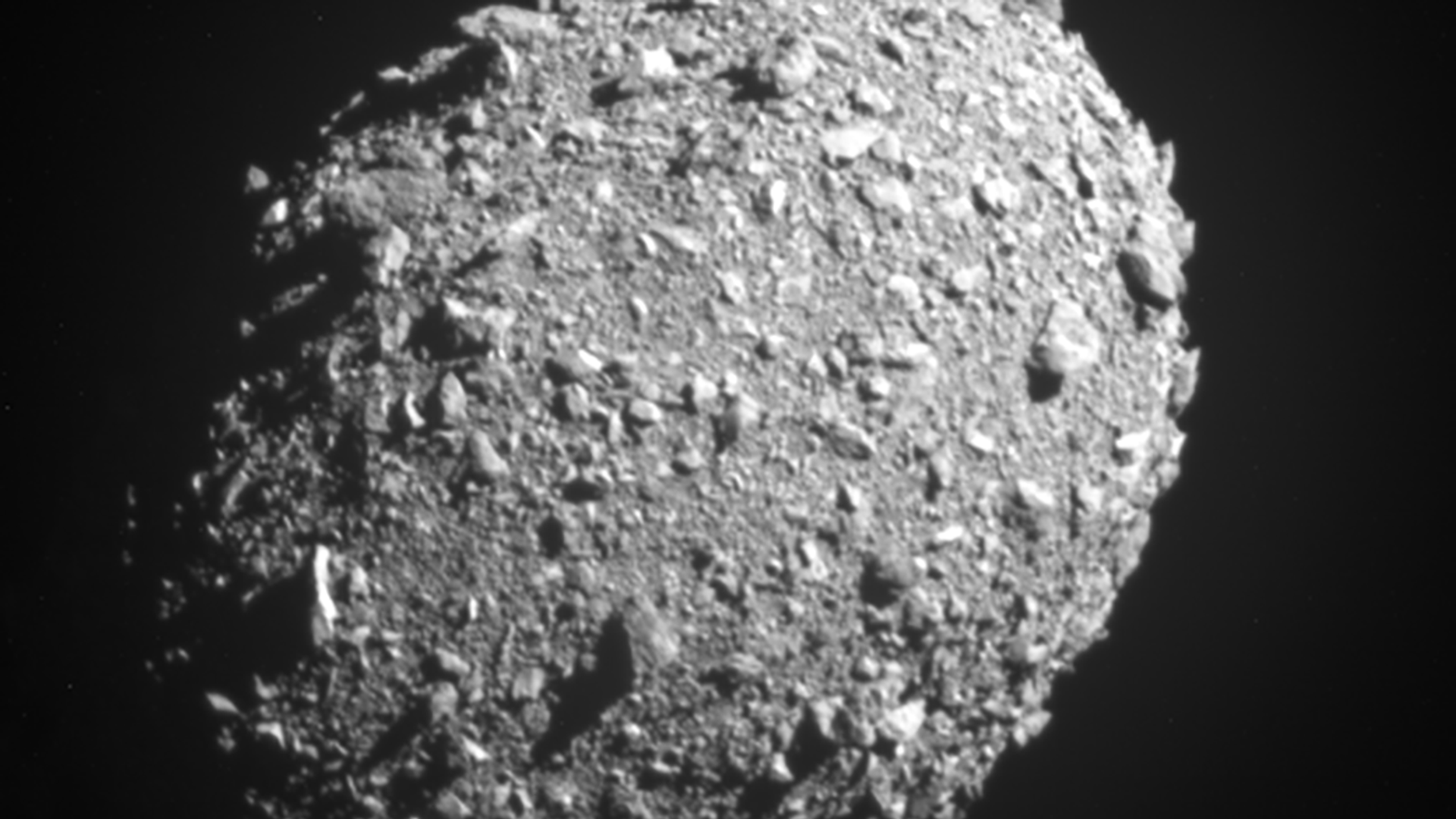
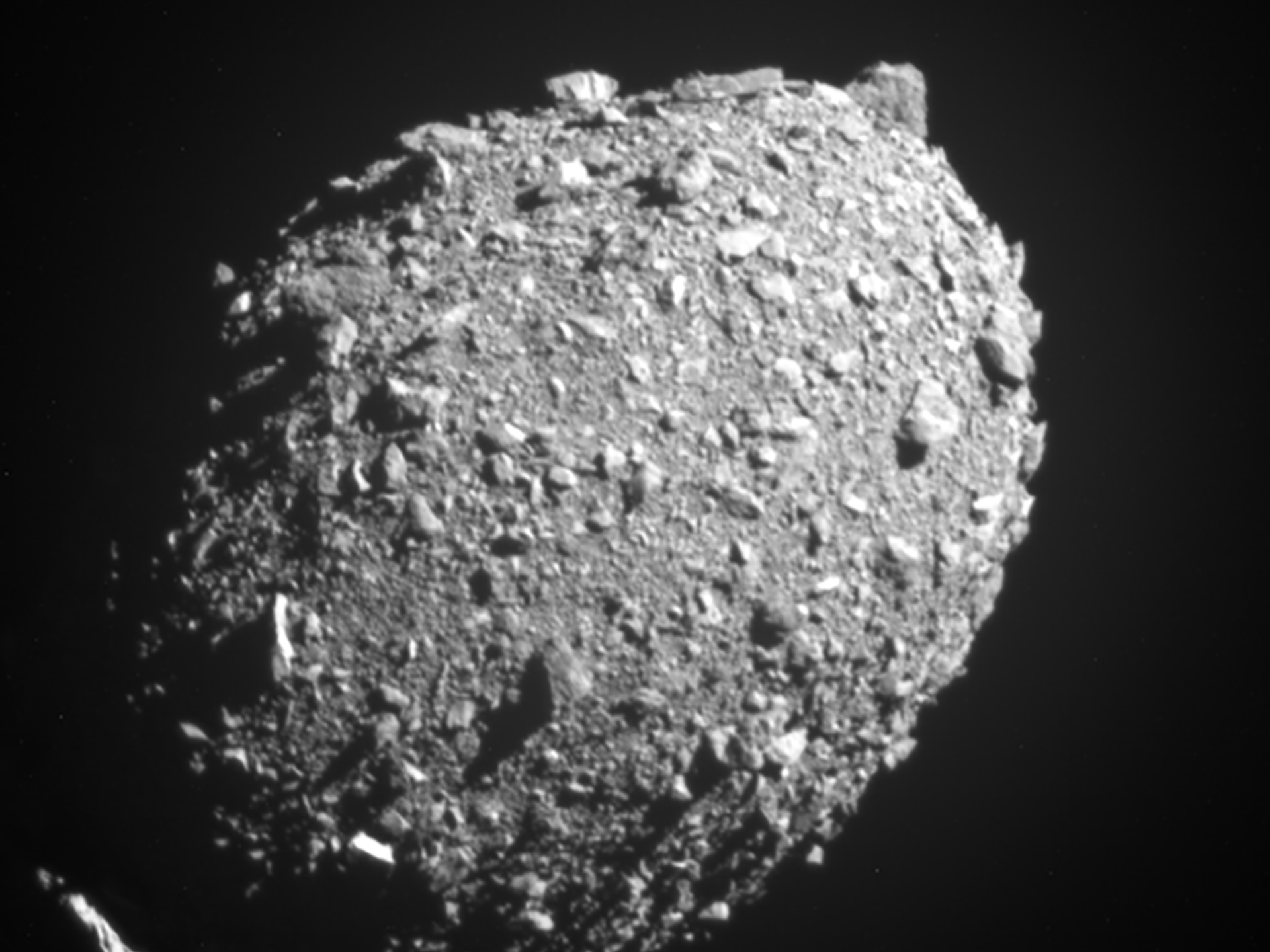
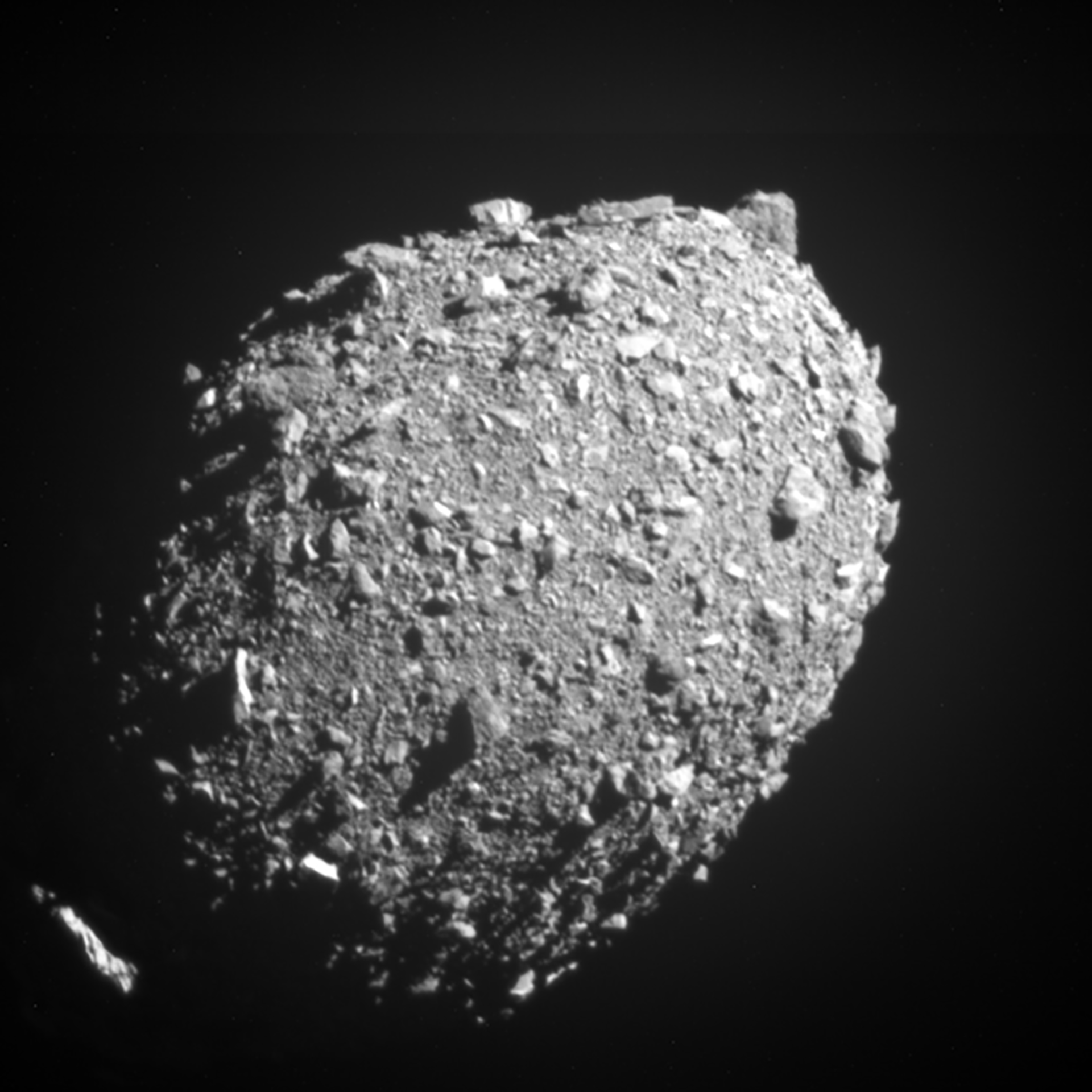
The Double Asteroid Redirection Test (DART) project, which was a significant turning point in NASA's planetary defense program, was the first time humans had ever altered the course of a celestial body. The DART mission's technology may one day be used to divert an asteroid from colliding with Earth.
The
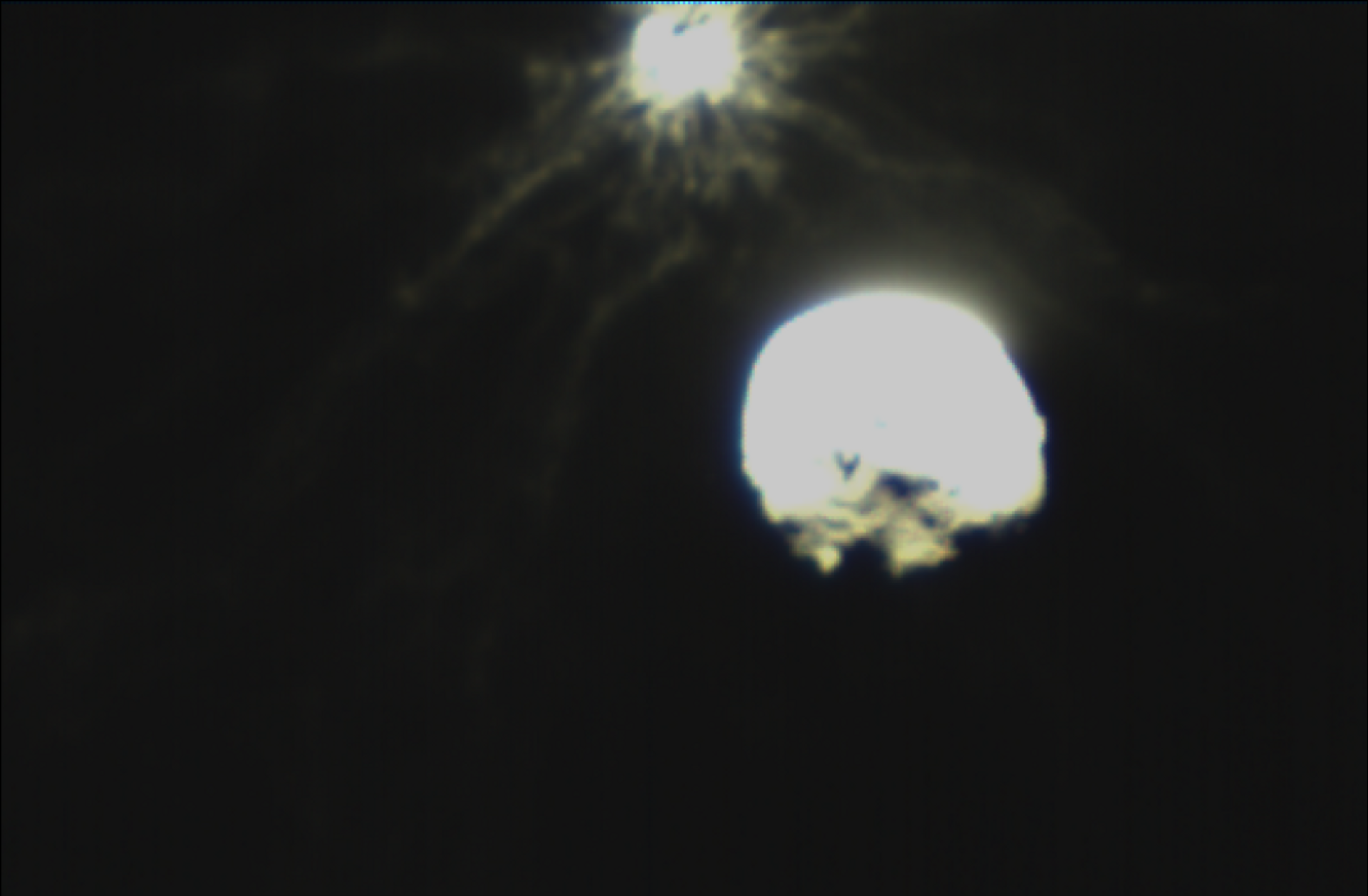
first pictures of the immediate aftermath of NASA's first-ever experiment on Monday, which involved crashing a spaceship into an asteroid, were made public by the Italian space agency on Tuesday.
The images were taken by the agency's LICIACube micro-satellite, which had two cameras and was
launched by DART a few days before impact. Just a few minutes after the collision, the little satellite flew by asteroid Dimorphos, which was the target of the impact, to gather the pictures.
The photos show what looks to be a crater and large ejecta streaks, which are surface debris on Dimorphos.
Despite the rarity of asteroid collisions, a large space rock's impact could cause significant local or regional devastation.
The intention of the impact
was to alter the orbit of the moonlet asteroid Dimorphos around the larger space rock Didymos. Neither poses a threat to our planet anytime in the future. About 11 million kilometers separate the Earth from this pair of asteroids.
Before the collision, experts predicted that the DART crash would blast between 9,979 and 99,790 kilograms of ejecta into space and carve a crater on the asteroid.
More photographs of the collision's aftermath may be published since the Hubble Space Telescope, James Webb Space Telescope, and other ground telescopes were aimed at the system to observe the impact.
To precisely assess how much
the impact changed Dimorphos' orbit around Didymos, weeks of observation of the asteroid pair will be necessary, according to NASA.
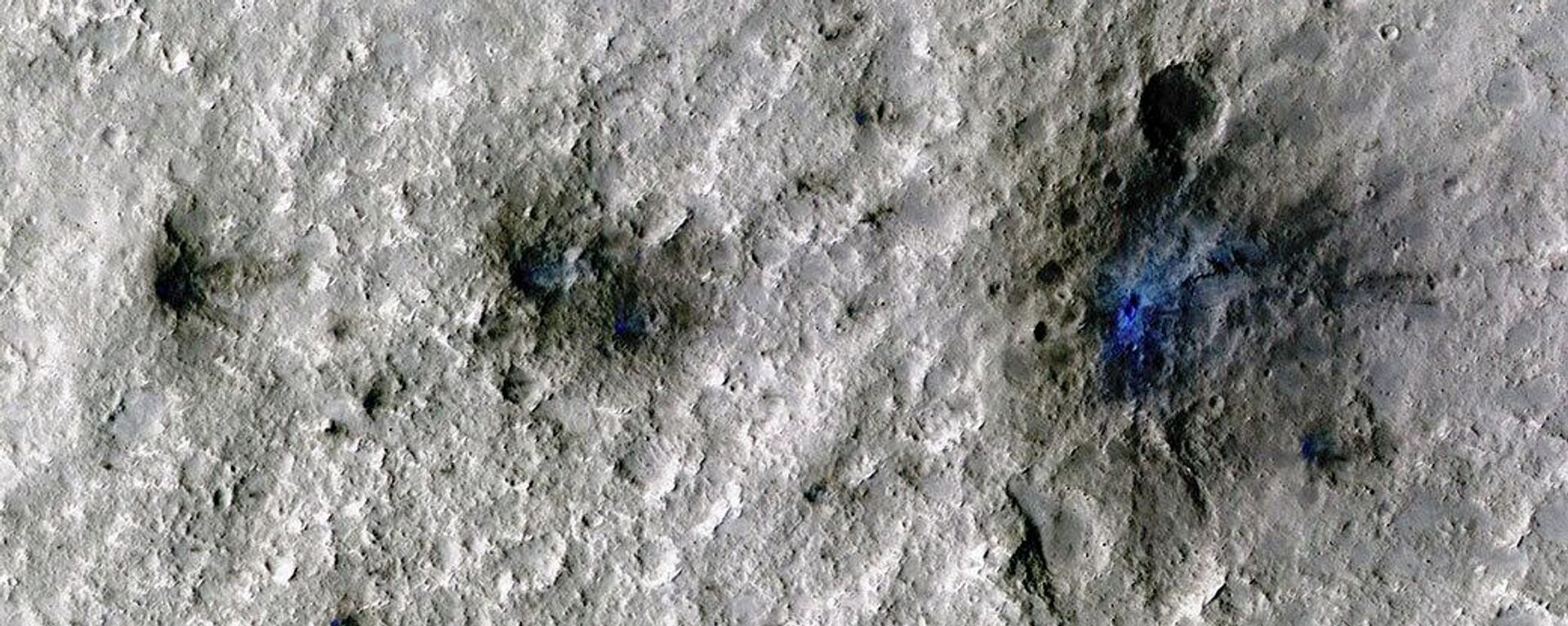
20 September 2022, 04:22 GMT