https://sputnikglobe.com/20220729/watch-us-supreme-court-justice-alito-mock-critics-of-abortion-rights-gutting-dobbs-ruling-1097946598.html
Watch US Supreme Court Justice Alito Mock Critics of Abortion Rights-Gutting Dobbs Ruling
Watch US Supreme Court Justice Alito Mock Critics of Abortion Rights-Gutting Dobbs Ruling
Sputnik International
US Supreme Court Justice Samuel Alito has often been referred to as the high court’s most conservative justice. The Catholic justice has ruled in favor of... 29.07.2022, Sputnik International
2022-07-29T22:44+0000
2022-07-29T22:44+0000
2022-07-29T22:44+0000
samuel alito
abortion
rome
university of notre dame
u.s. supreme court
https://cdn1.img.sputnikglobe.com/img/07e6/07/1d/1097946321_0:0:1920:1080_1920x0_80_0_0_4b41ce5f15c6143bcd3fdb5702fd31cd.png
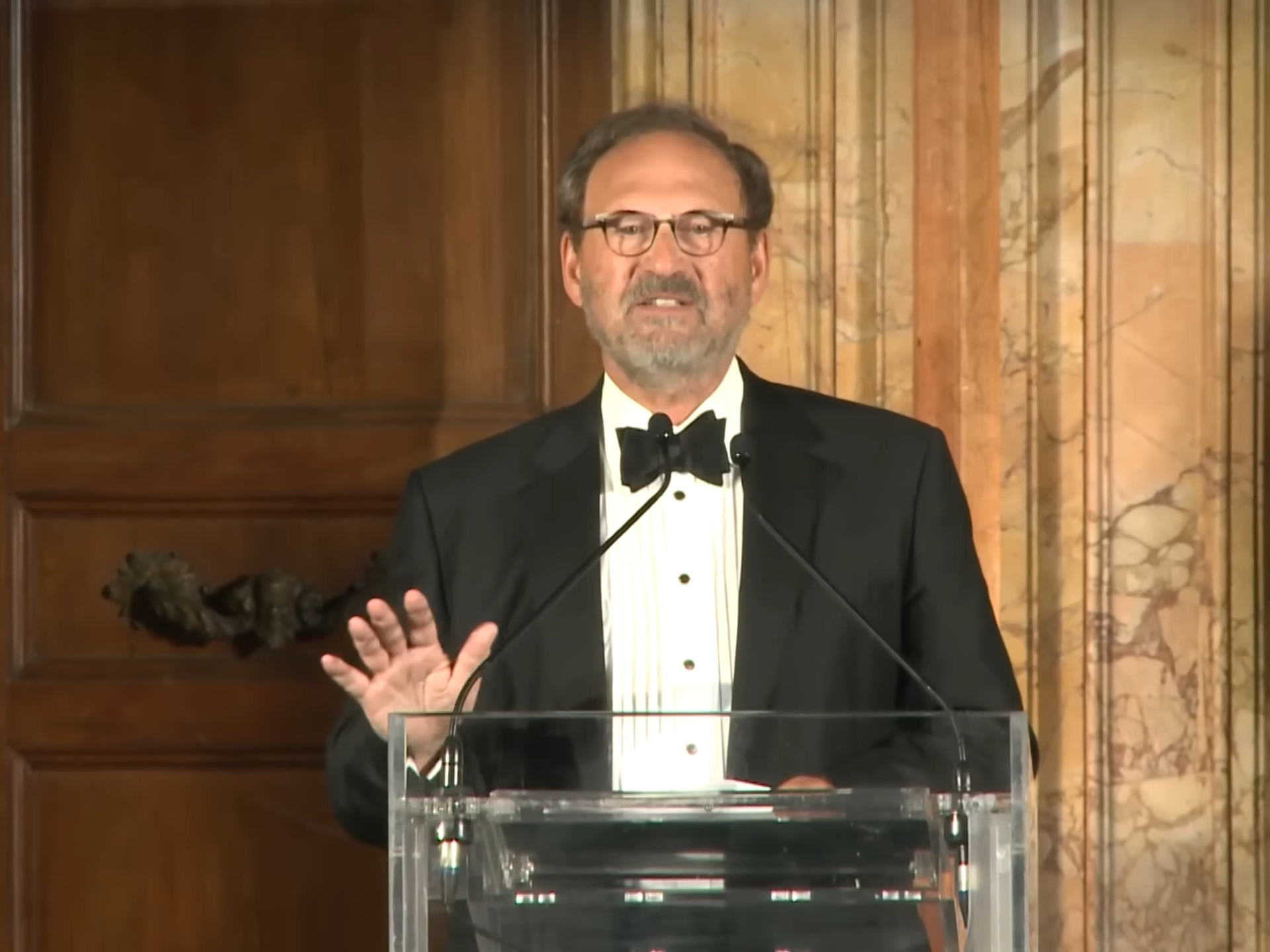
Speaking last week at an event in Rome, Italy, Alito took on some of his international critics who got fired up in response to his majority opinion in Dobbs vs. Jackson, a decision handed down last month that overturned the federal right to an abortion in the United States.“Over the last few weeks, since I have had the honor this term of writing, I think, the only Supreme Court decision in the history of that institution that has been lambasted by a whole string of foreign leaders, who felt perfectly fine commenting on American law,” Alito said, referring to Dobbs as “the decision whose name may not be spoken,” a reference to Harry Potter villain Voldemort.“One of these was former [UK] Prime Minister Boris Johnson - but he paid the price,” Alito said, to laughter and cheers from the crowd. Others he mentioned included French President Emmanuel Macron, Canadian Prime Minister Justin Trudeau, adding that “what really wounded me” was when Prince Harry, Duke of Sussex, seemed to compare the Dobbs ruling and Russia’s special operation in Ukraine during a speech at the United Nations.At that, however, the crowd did not laugh. Alito then changed the subject.Supreme Court justices typically try to refrain from wading into the muddy waters of partisan politics. However, this isn’t the first time Alito has jumped into the fray: last October, he took aim at critics of a series of overnight snap rulings informally referred to as “shadow docket” decisions. The decisions did not feature oral arguments, with the justices rendering consequential rulings in a handful of hours on issues including the eviction moratorium, US immigration policies, and a Texas abortion restriction law that seemingly violated the 1973 Roe vs. Wade ruling.“The catchy and sinister term ‘shadow docket’ has been used to portray the court as having been captured by a dangerous cabal that resorts to sneaky and improper methods to get its ways,” Alito said in a speech at Notre Dame Law, the same institution that hosted him last week in Rome. “And this portrayal feeds unprecedented efforts to intimidate the court or damage it as an independent institution.”Two of Alito’s conservative colleagues, Justices Amy Coney Barrett and Clarence Thomas, also spoke out last year in response to rising criticism that the court has become more political since acquiring a decisive 6-3 conservative majority.
rome
Sputnik International
feedback@sputniknews.com
+74956456601
MIA „Rossiya Segodnya“
2022
Sputnik International
feedback@sputniknews.com
+74956456601
MIA „Rossiya Segodnya“
News
en_EN
Sputnik International
feedback@sputniknews.com
+74956456601
MIA „Rossiya Segodnya“
Sputnik International
feedback@sputniknews.com
+74956456601
MIA „Rossiya Segodnya“
samuel alito, abortion, rome, university of notre dame, u.s. supreme court
samuel alito, abortion, rome, university of notre dame, u.s. supreme court
Watch US Supreme Court Justice Alito Mock Critics of Abortion Rights-Gutting Dobbs Ruling
US Supreme Court Justice Samuel Alito has often been referred to as the high court’s most conservative justice. The Catholic justice has ruled in favor of abortion in the past, but penned the recent opinion that eviscerated that right at a federal level.
Speaking last week at an event in Rome, Italy, Alito took on some of his international critics who got fired up in response to his majority opinion in Dobbs vs. Jackson, a decision handed down last month that
overturned the federal right to an abortion in the United States.
“Over the last few weeks, since I have had the honor this term of writing, I think, the only Supreme Court decision in the history of that institution that has been lambasted by a whole string of foreign leaders, who felt perfectly fine commenting on American law,”
Alito said, referring to Dobbs as “the decision whose name may not be spoken,” a reference to Harry Potter villain Voldemort.
“One of these was former [UK] Prime Minister
Boris Johnson - but he paid the price,” Alito said, to laughter and cheers from the crowd. Others he mentioned included French President
Emmanuel Macron, Canadian Prime Minister
Justin Trudeau, adding that “what really wounded me” was when
Prince Harry, Duke of Sussex, seemed to compare the Dobbs ruling and Russia’s special operation in Ukraine during a speech at the United Nations.
At that, however, the crowd did not laugh. Alito then changed the subject.
The rest of his speech mostly focused on religious liberty, which he characterized as under attack around the globe. However, he did not address one common criticism of the “religious liberty” justification for banning abortion: that
under Jewish halacha, abortion access is a necessity because of Jewish
prioritization of the mother’s life over all other considerations.
Supreme Court justices typically try to refrain from wading into the muddy waters of partisan politics. However, this isn’t the first time Alito has jumped into the fray: last October,
he took aim at critics of a series of overnight snap rulings informally referred to as
“shadow docket” decisions. The decisions did not feature oral arguments, with the justices rendering consequential rulings in a handful of hours on issues including the eviction moratorium, US immigration policies, and a Texas abortion restriction law that seemingly violated the 1973 Roe vs. Wade ruling.
“The catchy and sinister term ‘shadow docket’ has been used to portray the court as having been captured by a dangerous cabal that resorts to sneaky and improper methods to get its ways,” Alito said in a speech at Notre Dame Law, the same institution that hosted him last week in Rome. “And this portrayal feeds unprecedented efforts to intimidate the court or damage it as an independent institution.”
"The truth of the matter is there was nothing new or shadowy about the procedures we followed in those cases," he added.
Two of Alito’s conservative colleagues, Justices
Amy Coney Barrett and
Clarence Thomas, also spoke out last year in response to rising criticism that the court has become more political since acquiring a decisive 6-3 conservative majority.