https://sputnikglobe.com/20220424/avian-flu-outbreak-illinois-officials-are-now-advising-against-bird-feeders-and-bird-baths-1095019945.html
Avian Flu Outbreak: Illinois Officials are now Advising Against Bird Feeders and Bird Baths
Avian Flu Outbreak: Illinois Officials are now Advising Against Bird Feeders and Bird Baths
Sputnik International
As the highly pathogenic H5N1 avian influenza (HPAI) hit the US this April, tens of millions of both domestic and wild birds have died or been euthanized as a... 24.04.2022, Sputnik International
2022-04-24T22:25+0000
2022-04-24T22:25+0000
2022-04-24T22:25+0000
us
avian flu
bird flu
bird
illinois
chicago
health
https://cdn1.img.sputnikglobe.com/img/07e6/04/18/1095019919_0:74:3072:1802_1920x0_80_0_0_37022c4bb7b4bf14348d7269d767dc82.jpg
Avian flu has hit the US and has been detected in at least 29 states as of mid-April. The disease has infected waterfowl, shorebirds, raptors (including bald eagles), chickens and other domestic poultry flocks.More than 32,000 turkeys in North Carolina had to be euthanized at the end of March, and in April 2021, Colorado’s Mountrose County reported that 60,000 poultry birds had to be euthanized as a result of the avian flu.Avian flu can cause extreme depression in birds, difficulty breathing, decrease in eating and drinking, swelling or discoloration around the head, eyelids, and comb, a decrease in egg production, and death within a few days of being infected by the disease.States have now started to advise individuals on what they can do in their own backyards to help slow the spread of the deadly virus.On Thursday, the Michigan Department of Natural Resources suggested residents of the state temporarily remove bird feeders from their yards. And on Sunday, the Illinois Department of Natural Resources also advised against bird feeders and bird baths until the end of May in response to the avian flu.Health officials in Illinois are also asking that individuals clean their bird baths and feeders if they cannot be removed, as well as report any findings that include five or more dead birds, as well as any visibly sick or dead bald eagles.The Game Commission in Pennsylvania, however, did not suggest that feeders be taken down.“One exception to this is if you also care for poultry. If so, you always want to prevent contact between wild birds and poultry not just for HPAI, but for any number of diseases. In such cases, feeding wild birds may be putting your poultry at risk,” Lau added.The Game Commission is also insisting that residents who handle birds wear gloves, as well as wash clothing and hands before and afterwardsThe US Department of Agriculture reports that as of April 22, more than 31 million birds have been diagnosed with the virus, including 229 flocks.Zoos have also begun to remove their birds from observatories and into indoor housing. Zoos, such as the Maryland Zoo in Baltimore, have announced the closure of their aviaries.
illinois
chicago
Sputnik International
feedback@sputniknews.com
+74956456601
MIA „Rossiya Segodnya“
2022
News
en_EN
Sputnik International
feedback@sputniknews.com
+74956456601
MIA „Rossiya Segodnya“
Sputnik International
feedback@sputniknews.com
+74956456601
MIA „Rossiya Segodnya“
us, avian flu, bird flu, bird, illinois, chicago, health
us, avian flu, bird flu, bird, illinois, chicago, health
Avian Flu Outbreak: Illinois Officials are now Advising Against Bird Feeders and Bird Baths
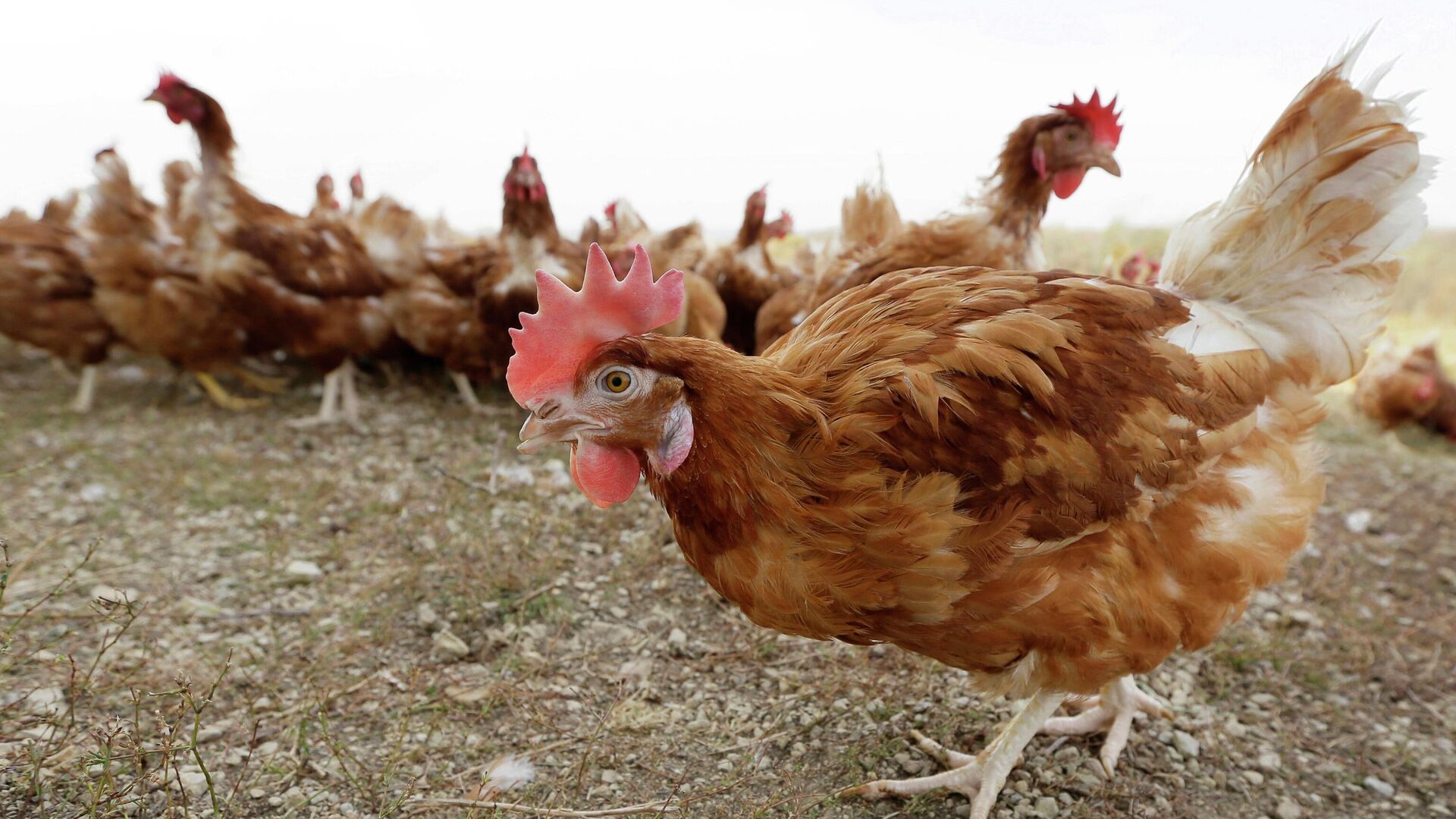
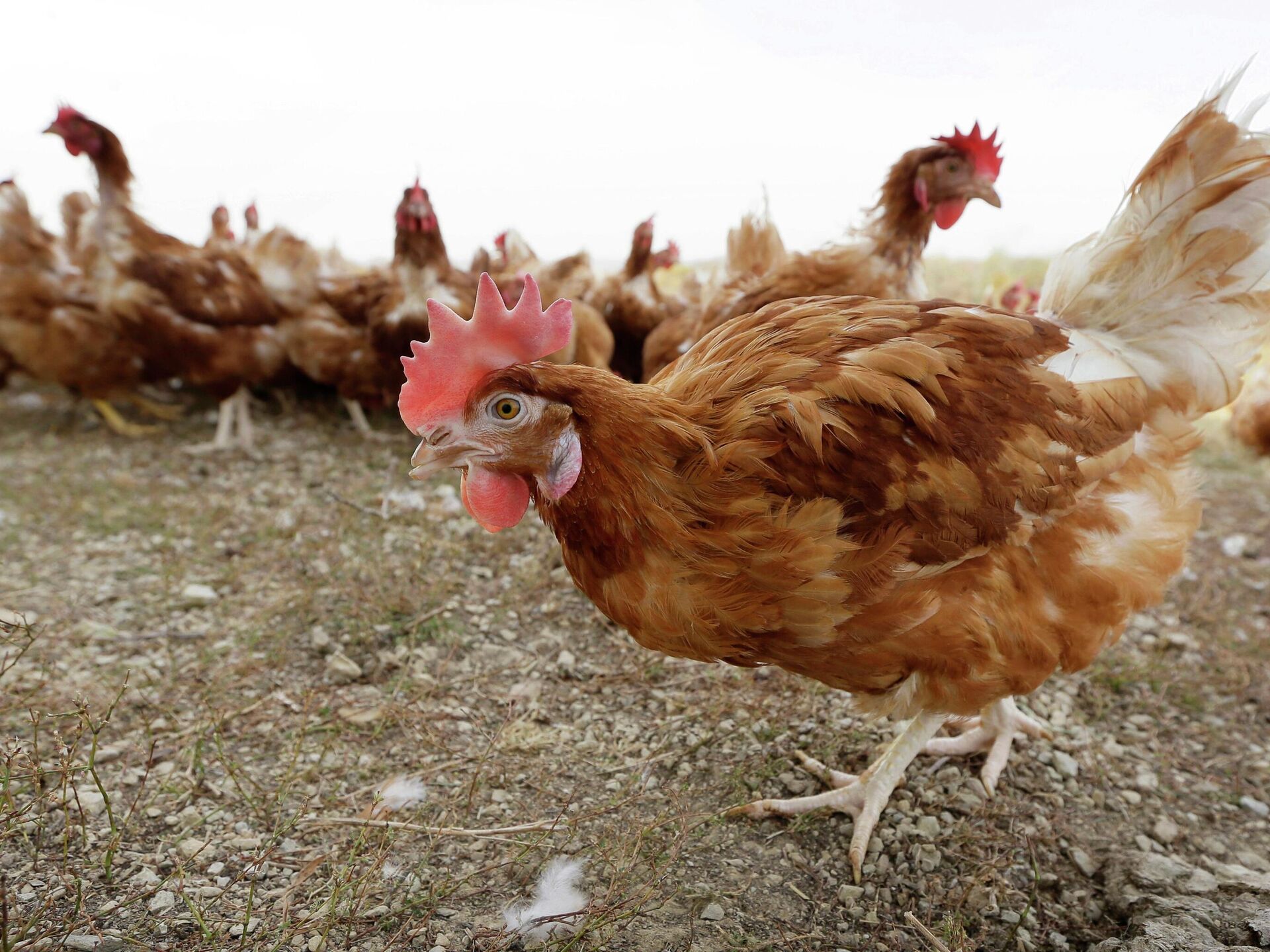
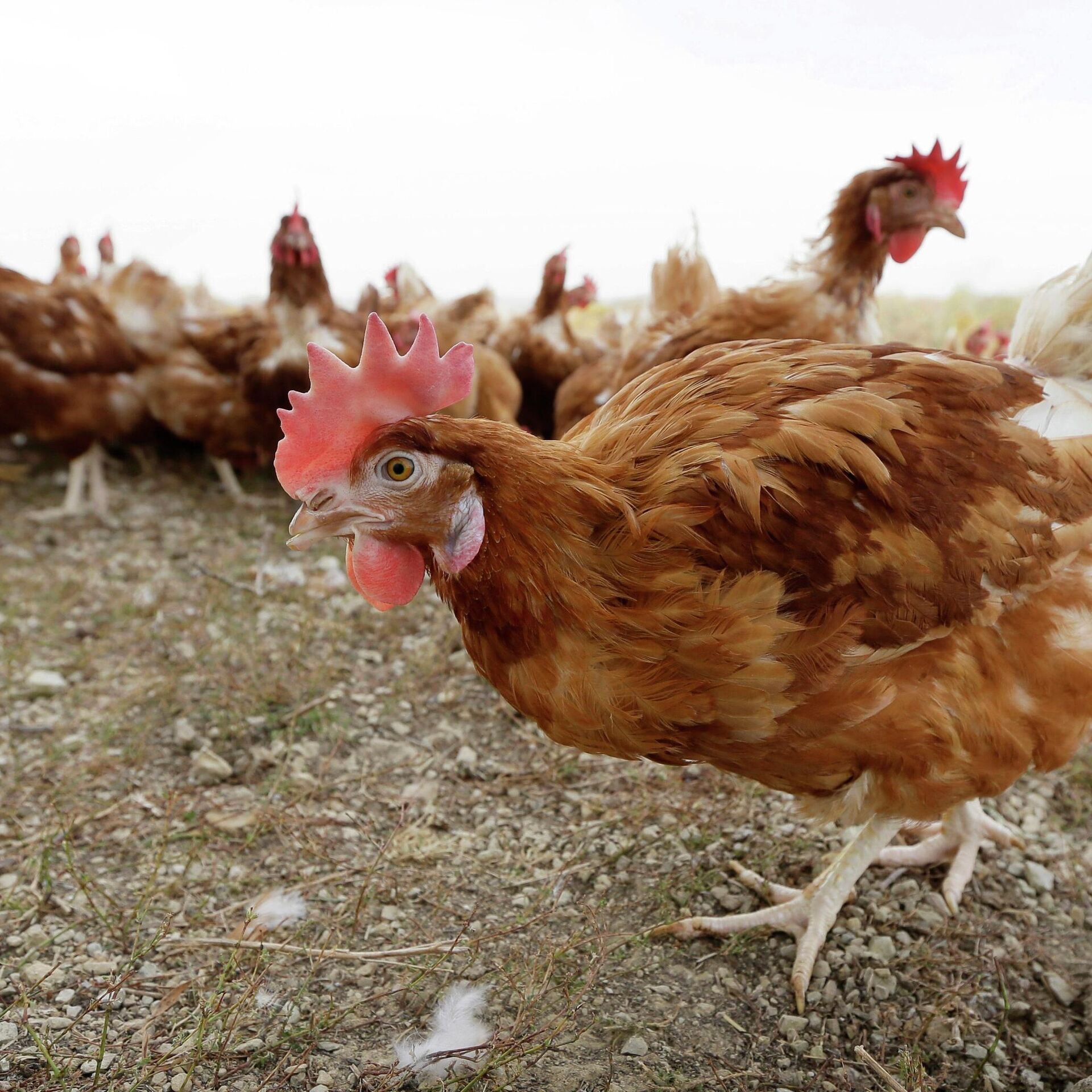
As the highly pathogenic H5N1 avian influenza (HPAI) hit the US this April, tens of millions of both domestic and wild birds have died or been euthanized as a result of the deadly disease. And while the avian flu does not often infect humans, that doesn’t mean it isn’t possible.
Avian flu has hit the US and has been detected in at least 29
states as of mid-April. The disease has infected waterfowl, shorebirds, raptors (including bald eagles), chickens and other domestic poultry flocks.
More than 32,000 turkeys in North Carolina had to be euthanized at the end of March, and in April 2021, Colorado’s
Mountrose County reported that 60,000 poultry birds had to be euthanized as a result of the avian flu.
Avian flu can cause extreme
depression in birds, difficulty breathing, decrease in eating and drinking, swelling or discoloration around the head, eyelids, and comb, a decrease in egg production, and death within a few days of being infected by the disease.
States have now started to advise individuals on what they can do in their own backyards to help slow the spread of the deadly virus.
On Thursday, the Michigan Department of Natural Resources suggested residents of the state temporarily remove bird feeders from their yards. And on Sunday, the Illinois Department of Natural Resources also advised against bird feeders and bird baths until the end of May in response to the avian flu.
Health officials in Illinois are also asking that individuals clean their bird baths and feeders if they cannot be removed, as well as report any findings that include five or more dead birds, as well as any visibly sick or dead
bald eagles.
The Game Commission in Pennsylvania, however, did not suggest that feeders be taken down.
“While we never encourage the public to feed wildlife, we aren’t recommending feeders be taken down,” said Pennsylvania Game Commission communications director Travis
Lau. “While feeders do lead to a congregation of wild birds, feeding isn’t considered a significant HPAI driver. The birds most affected don’t often visit feeders.
“One exception to this is if you also care for poultry. If so, you always want to prevent contact between wild birds and poultry not just for HPAI, but for any number of diseases. In such cases, feeding wild birds may be putting your poultry at risk,” Lau added.
The Game Commission is also insisting that residents who handle birds wear gloves, as well as wash clothing and hands before and afterwards
The US Department of
Agriculture reports that as of April 22, more than 31 million birds have been diagnosed with the virus, including 229 flocks.
Zoos have also begun to remove their birds from observatories and into indoor housing. Zoos, such as the Maryland Zoo in
Baltimore, have announced the closure of their aviaries.